Why the Kiss Cam Didn’t Just Catch a Moment- It Revealed a Pattern
The Moment That Said Everything
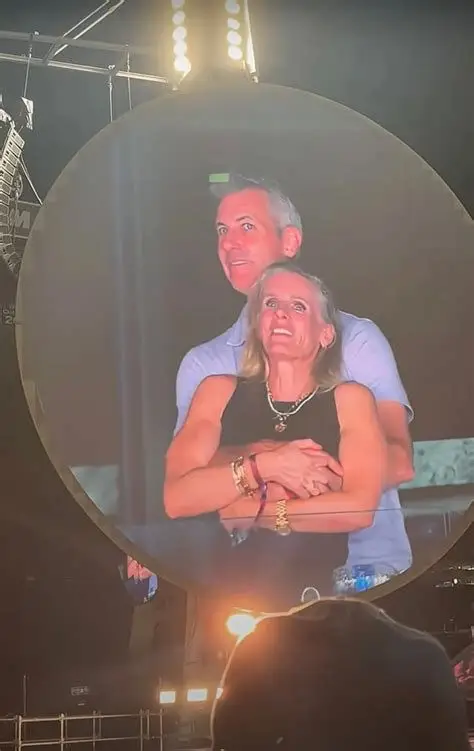
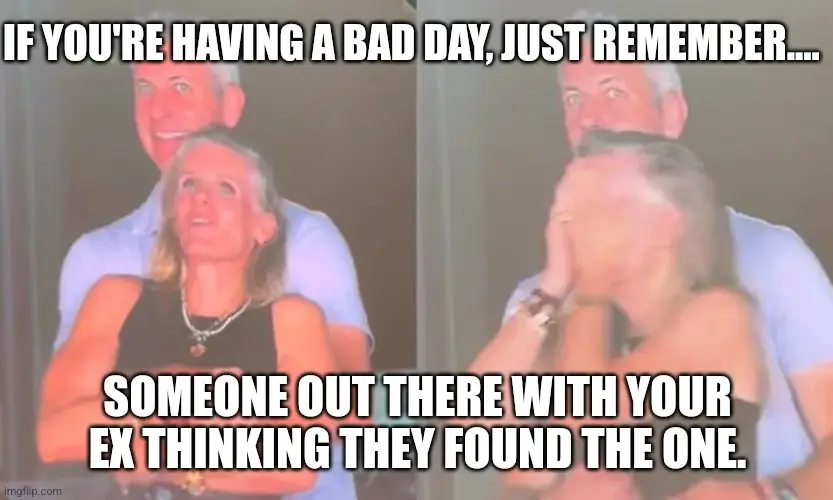
What should’ve been a feel-good filler between Coldplay songs became a viral reckoning. In a VIP box, an established CEO had his arms around a woman. When the Kiss Cam innocently found them, there was an unmistakable rush of blood to their heads. She pulled away and turned around. He ducked down out of sight. She stayed frozen — hands over face, exposed under the gaze of 60,000 strangers. By sunrise, millions more had joined them.
The music swelled beneath the moment- sincere, cinematic, and in hindsight, devastatingly ironic. This wasn’t just a private affair captured by chance. It was a slow-motion metaphor, broadcast in real time.
It didn’t go viral because it was dramatic.
In fact, it went viral because it was instantly recognisable.
A Mirror, Not a Meme
What the internet saw wasn’t scandal. It was a recognisable pattern of behaviour and familiar structure.
- A man in power recoiling when consequence loomed.
- A woman left to absorb the fallout — standing alone, under the spotlight.
- A well-worn dynamic as old as leadership and patriarchy itself, played out in widescreen.
The meme didn’t distort. It decoded.
Some dismissed the viral response as online overreaction. But what people reacted to wasn’t voyeurism — it was emotional clarity. It was the familiarity of betrayal. Of gendered exposure. Of cowardice hiding behind power.
And what cut through even more sharply? The collective sense that this wasn’t a one-off. It was a rerun.
Why It Landed. And Why It Hurt
Betrayal rarely announces itself to the person betrayed. It’s the friends who know first. The co-workers. The group chat. In this case, it was 60,000 people at a Coldplay concert; and shortly after, the world. This moment didn’t go viral because it was outrageous. It went viral because it was ordinary. Painfully familiar. Statistically common.
- 1 in 5 married Americans admit to infidelity (Institute for Family Studies, 2020)
- 32% of under-30s report romantic betrayal (YouGov, 2022)
- 22% of UK couples seek therapy for breaches of trust (Relate, 2023)
This wasn’t salacious. It was recognisable.
It wasn’t exceptional. It was patterned.
Later, when the CEO’s wife quietly changed her surname and deactivated her Facebook account, it wasn’t drama. It was a digital boundary and a clear message, delivered without words, using the same platforms that amplified the fallout. And surprisingly, the public, and much of the press, respected it. Because the heartbreak at the centre of this wasn’t just theirs. It belonged to everyone who’s ever been left to shoulder the consequences — blindsided, humiliated, and exposed — while the person who caused it slipped quickly and quietly out of frame.
When Betrayal Goes Corporate
The woman caught beside him wasn’t an anonymous plus-one. She was his company’s Chief People Officer. She was the very person responsible for employee wellbeing, ethics, and workplace culture. This revelation made the moment bigger than personal misconduct. It became organisational contradiction.
To employees watching, the takeaway was clear: The people writing the rules don’t follow them.
The damage wasn’t just emotional. It was structural. Because when trust in leadership breaks, the consequences echo through every level of an organisation.
This moment hit harder perhaps because it collided with a broader cultural fatigue around corporate power and accountability.
According to Edelman’s 2024 Trust Barometer:
- Just 41% trust CEOs to tell the truth
- 60% of employees believe their leadership is out of touch with their lived reality
The PwC 2023 Global CEO Survey revealed:
- 39% of CEOs think their businesses won’t survive the next decade without major transformation
- Yet many still express confidence in their own leadership
- That contradiction — self-assured at the top, disillusioned at the bottom — was embodied in one VIP box.
As the cameras rolled and Coldplay’s music moved on, the moment stood frozen, and the symbolism was impossible to ignore:
- A wealthy CEO comfortably perched above the people
- Protected by position, that was until the spotlight hit
- Above the fallout, until ducking was easier than owning it
- Shielding himself first and foremost from consequence
- Violating the values he claimed to represent and uphold — on camera
She looked uncomfortable. That’s undeniable. But discomfort doesn’t erase complicity. She held power. Stood beside him in a venue just a 4-hour drive away from their business HQ. She knew the stakes. And when you are the person tasked with upholding professional boundaries, proximity isn’t neutral. It’s loaded.
The Meme Didn’t Mock. It Translated.
The CEO resigned, quietly, without explanation or ownership. He disappeared just as he had on screen. But the emotional weight didn’t vanish with him. It shifted, and it settled elsewhere.
It landed on:
- The spouse and family whose heartbreak was projected in widescreen
- The employees, watching trust unravel in real time
- The public, who didn’t see scandal — they saw themselves
The clip didn’t go viral because it was dramatic. It spread because it distilled something painfully familiar — abandonment, avoidance, and imbalance into a few unforgettable seconds. The meme didn’t flatten the story. It gave it shape. Gave it universal language. It made the emotional architecture legible.
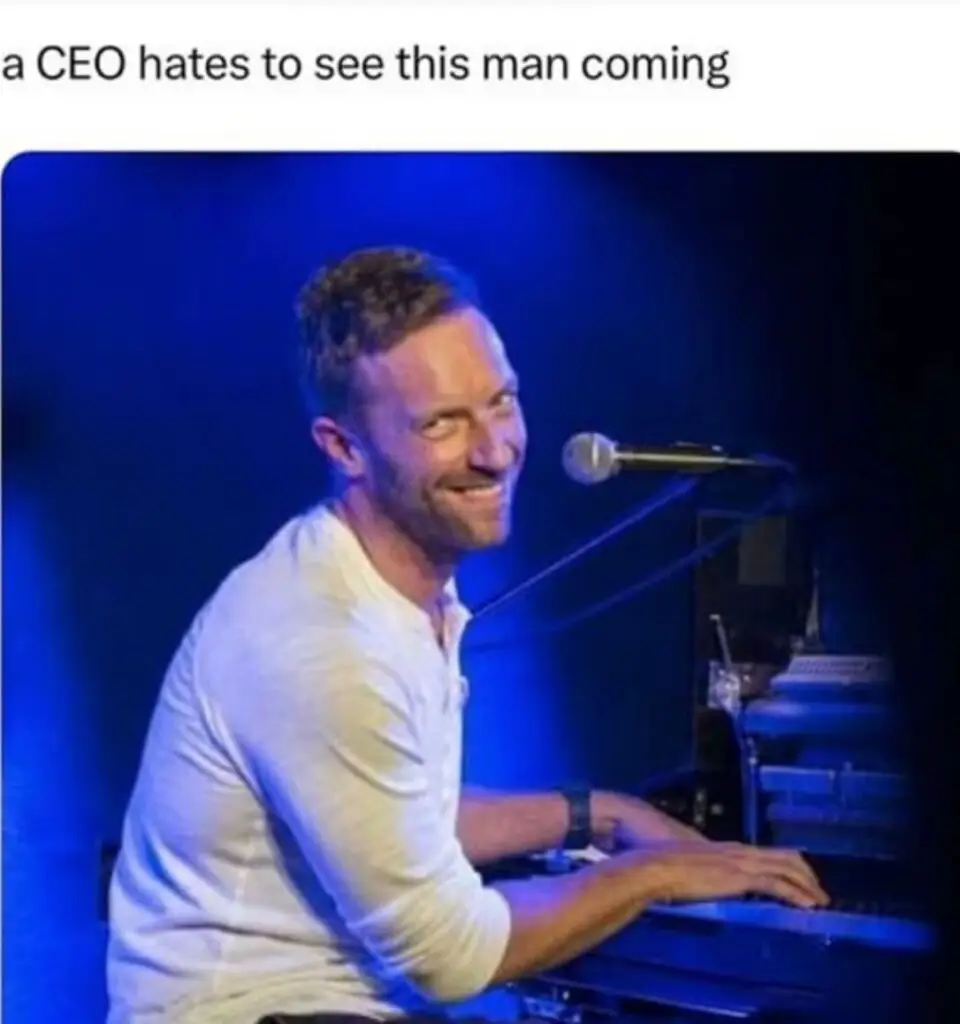
The internet did what it always does when something feels too raw, too real, too recognisable: it turned the moment into a series of memes.
Not necessarily out of cruelty, as some suggested — but out of recognition. People didn’t mock the moment because it was particularly funny. They memed it because it was familiar. Because it hurt. Because infidelity is relatable and universal.
We saw:
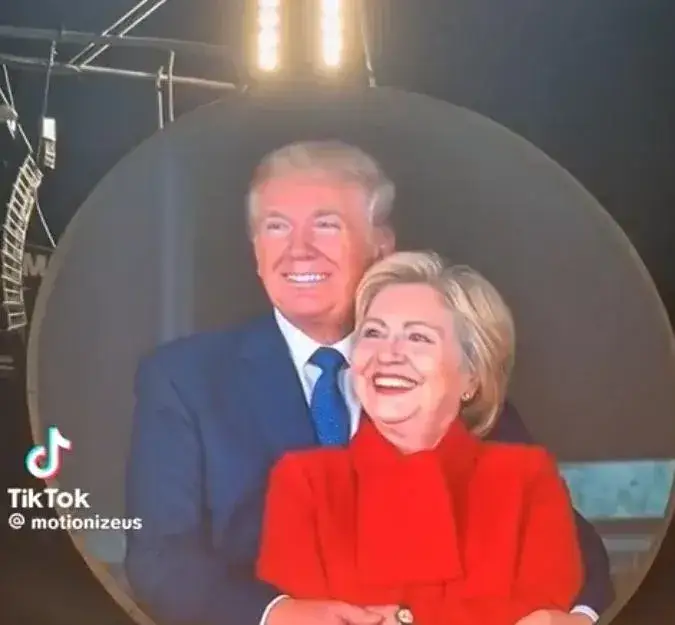
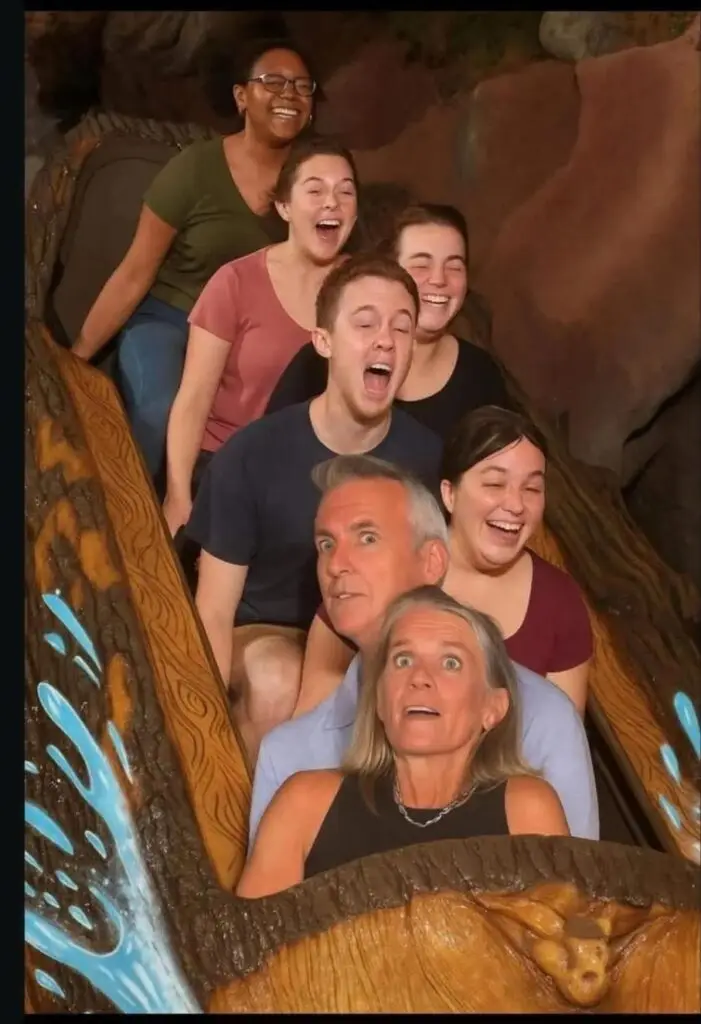
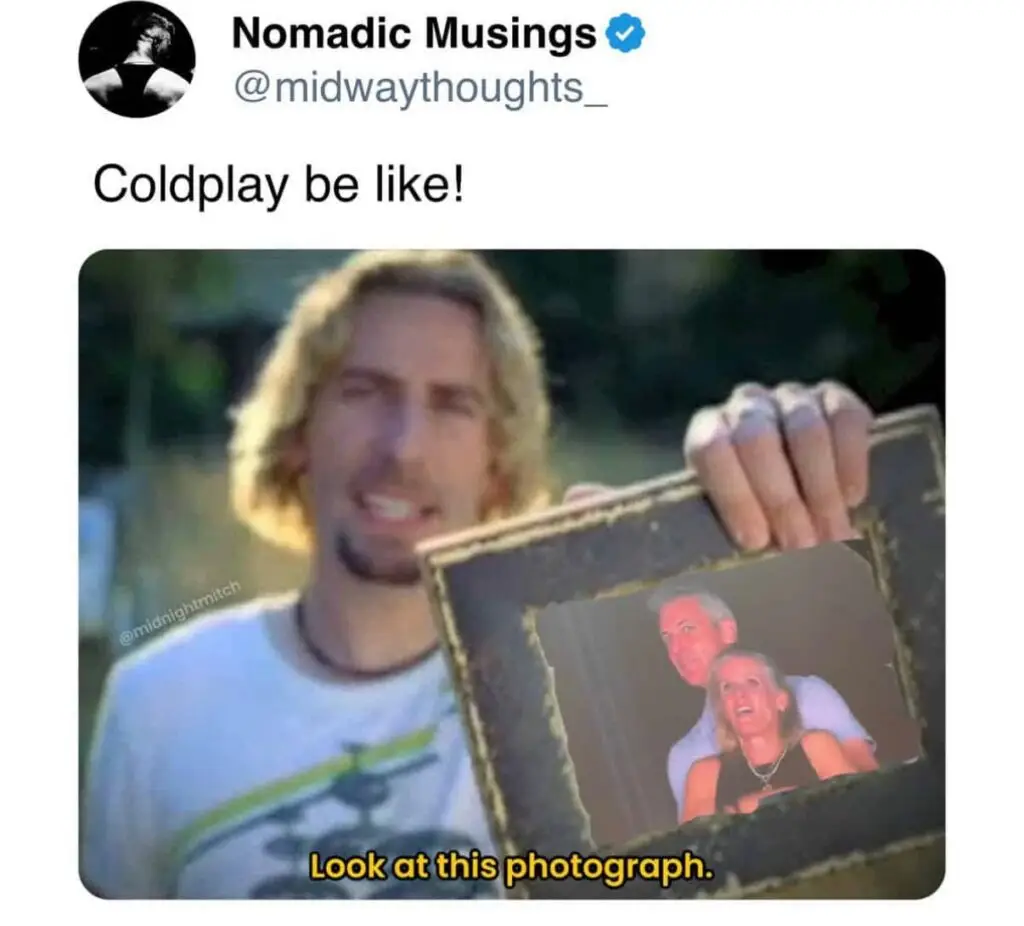
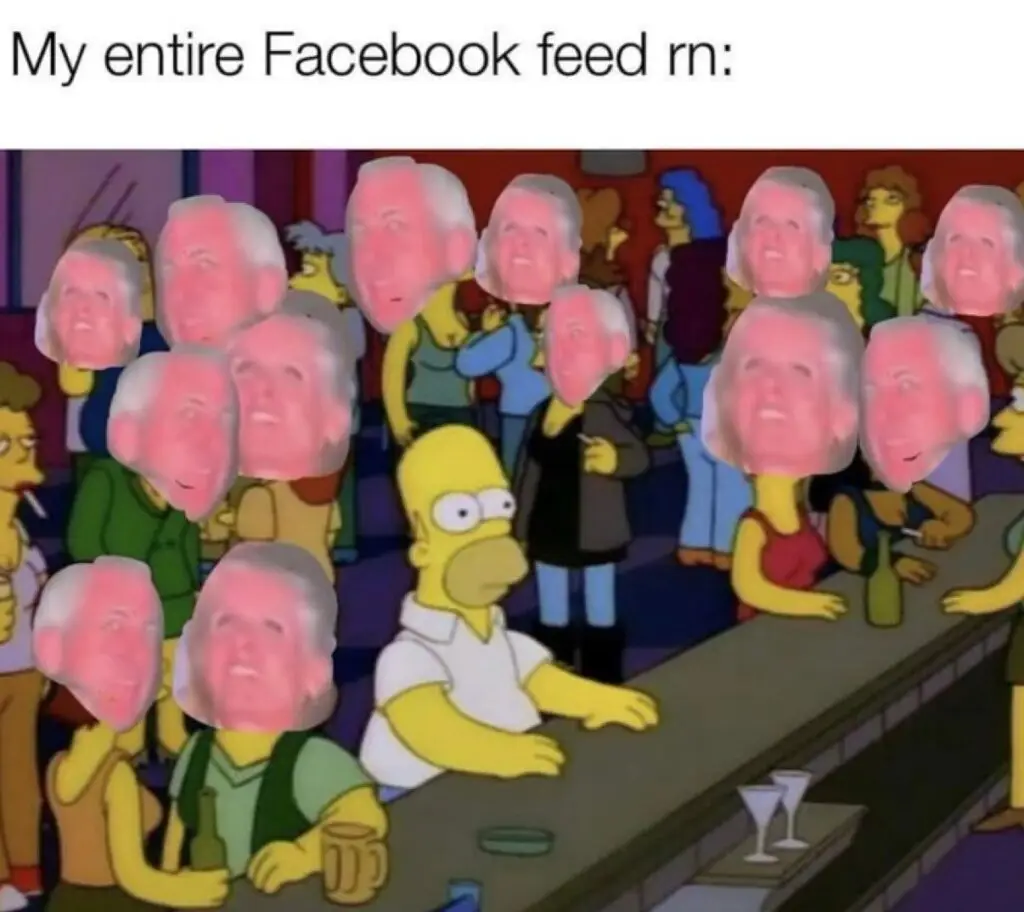
- Trump and Hillary photoshopped into the VIP box caught on camera canoodling
- Titanic edits and log-flume metaphors
- “Coldplay concert trailers gone wrong”
Absurd? Sure. But never meaningless.
These memes weren’t throwaway low-hanging gags. They were emotional translation, and creative tools for metabolising discomfort, contradiction, and collective societal and personal unease.
Memes are how culture speaks in shorthand:
- Over 3.2 billion people engage with meme content monthly (Statista, 2024)
- 68% of Gen Z and Millennials say memes help them understand what’s really going on (YPulse, 2023)
- 71% say humour helps them cope with anxiety and stress (YouGov, 2023)
This wasn’t simply laughing at someone’s pain, betrayal, or even embarrassment. It was laughing through recognition. Because when you’ve seen power dodge consequence before, at work, at home, in headlines- humour becomes one of the only honest responses left.
The Sanctimonious Spectacle
Alongside the memes came a different kind of noise: the performative condemnation.
You saw it pretty much everywhere:
- “This is lazy reactive marketing”
- “Don’t profit off pain.”
- “Set a better example.”
The words sounded noble. But most were hollow.
Because many of those criticising the moment were also sharing and/or commenting on it — performing distance while contributing to the algorithm whilst participating in full. It wasn’t disengagement. They weren’t above the moment. They were leveraging it on social platforms in moral costume.
Let’s call it what it is: trendjacking in a halo.

Disappointingly, most reflexive condemners didn’t attempt to engage with the emotional complexity and explore why it caught fire in the first place. They didn’t try to unpack the power dynamics. They just offered aesthetic disapproval, vague enough to sound principled, performative enough to protect their own image
Some think using or engaging with a meme is childish, but oversimplifying public emotion is its own form of immaturity. It’s easy to dismiss memes as lazy, and even tasteless. It’s harder to recognise why and when they’re saying something real.
Meanwhile, the memes- creative, chaotic, ironic, and sharp- did far more cultural work than those virtue signals ever could.
What many called ethical positioning was just strategic avoidance- fear wrapped in virtue. The performance of empathy without the burden of insight.
Because ultimately, the real harm wasn’t caused by Chris Martin, the meme-makers, or the brands who engaged with the moment. It began with two people in power making a public choice — including the brazen decision to book a VIP box at a concert where audiences are clearly informed they may appear on camera — and then refusing to own what unfolded. What followed wasn’t backlash culture. It was consequence. It was a cultural reckoning.
Some Brands Talked. Others Actually Said Something.
Not every brand is equipped to speak in moments like these, but the ones that do it well have something critical in common: emotional fluency.
Think:
- Scrub Daddy – playful, meme-native, never cruel
- Duolingo – chaotic but empathetic
- Ryanair – irreverent, but attuned to tone
These aren’t just brands or marketing teams with sass. They’re brands that read the emotional temperature, not just the trending topics. They know that memes aren’t purely entertainment. They’re diagnostics. Cultural barometers. Emotional weather reports.
They asked the real questions:
- Why did this resonate so deeply?
- What emotional truth are people responding to?
- How do we honour that in how we show up?
You don’t earn cultural relevance in business just by joining the conversation — you earn it by elevating it.
Entertainment outlets like Vogue and Cosmopolitan, major legacy media, including The Washington Post, The Independent, and CBS News, examined the meme’s broader cultural relevance, unpacking its corporate, ethical, and emotional weight rather than treating it as mere spectacle. What some dismissed as infantile engagement was, in reality, a collective reckoning- and proof that memes carry meaning with emotional literacy and cultural agency, plus open up important conversations, not just mockery.
Cultural moments don’t need more noise. They need contribution. It’s not enough to RSVP to culture in a dismissive social post, you have to bring something to the table.
Why This Moment Didn’t Just Trend. It Revealed
This wasn’t just an awkward clip. It detonated in a cultural landscape already fatigued by hypocrisy and absence of consequence in high places.
We’re watching CEO culture unravel in public:
- Elon Musk’s erratic behaviour
- OpenAI’s boardroom drama
- C-suite bonuses during mass layoffs
- Corporate mission statements that don’t match corporate actions
The public isn’t disgruntled because they expect perfection — they’re worn down by the repeated disconnect between what leaders preach, and what they practice. It’s not outrage. It’s cultural fatigue colliding with emotional truth. It struck a nerve because it wasn’t new- it was known. We remember all too well what it felt like: ordinary people fined, isolated, and grieving, while Boris Johnson and Matt Hancock broke the very rules they enforced. Hancock’s affair unfolded on government time. Johnson hosted parties while funerals were capped at six, women gave birth alone, and parents died without visitors. And the result? No real accountability- just rebrands, book deals, lucrative reality TV spots, and the quiet confidence that, for them, scandal doesn’t end a career. It just redirects it.
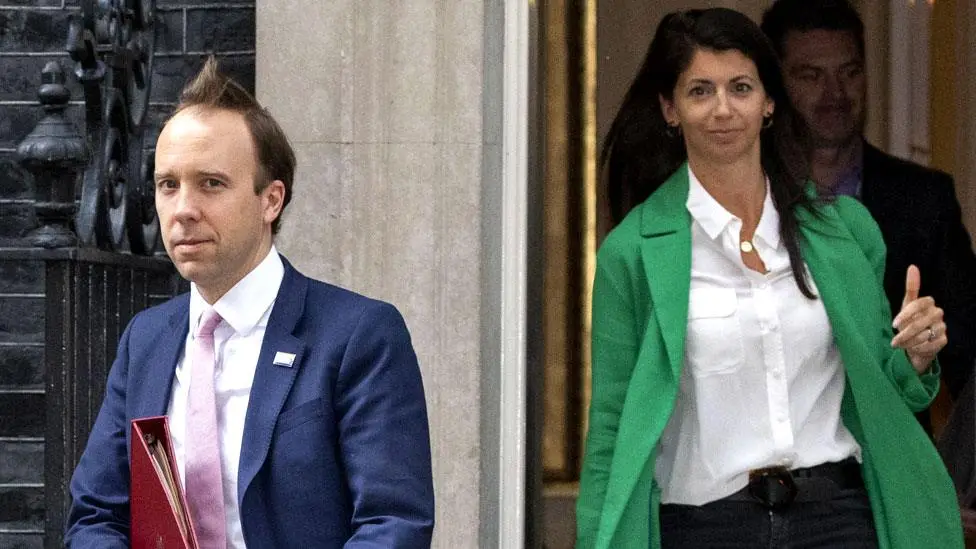
So when a CEO ducks out, and vanishes on a jumbotron, not just from the frame, but from responsibility- it becomes more than a moment. It becomes metaphor.
He wasn’t just a wealthy businessman in a VIP box.
He was a symbol of systemic indulgence.
And the woman beside him? She wasn’t just “someone he knew.” She was his Head of HR.
This wasn’t idle morning water cooler fodder.
It was contradiction — made visible on the big screen.
When Private Becomes Public
One of the loudest defences online, one definitely valid and worth exploring is: “This was a private matter. Let people live.”
But here’s the tough reality: It didn’t happen in private.
It happened in a VIP box at Gillette Stadium, a drive from their business HQ, filmed and broadcast onto a stadium screen, then shared widely, not by the public digging for dirt, but by the infrastructure of the event itself.
There were no leaked messages. No hacked DMs. No privacy invasion.
This moment wasn’t excavated. It revealed itself. And when public figures occupy public space and behave audaciously in ways that betray public trust, visibility isn’t inherently cruel. Sometimes, it’s just consequence. It’s what happens when private actions leave public impact.
Attempts to leverage “privacy” to dodge accountability don’t land like they used to in 2025 — because in an online culture where people’s lives are shared, witnessed, and emotionally processed together, silence doesn’t signal discretion. It signals deflection.
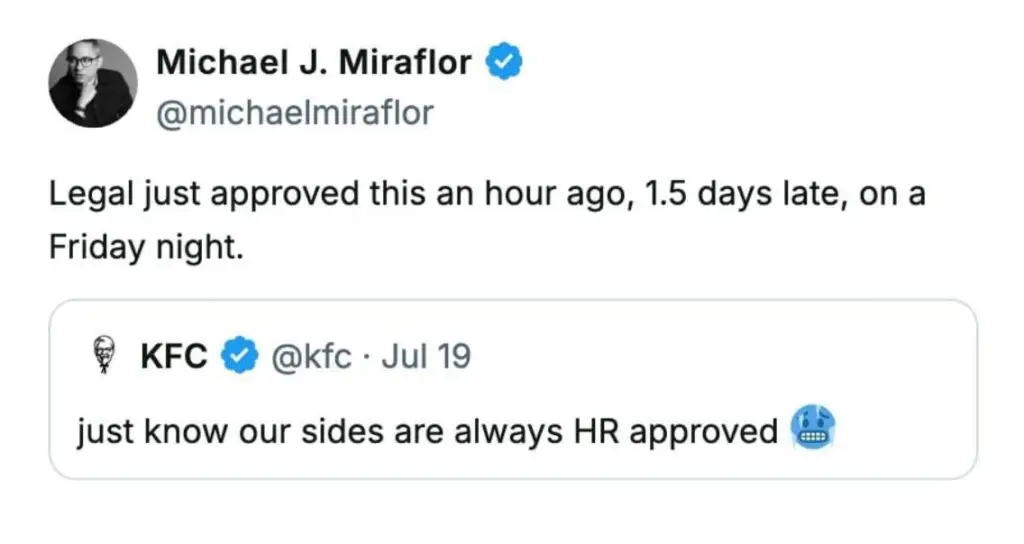
Today, memes, commentary, and collective reflection are how communities make sense of harm- whether that’s ours or second hand. And when public figures go quiet after public wrongdoing, that absence isn’t seen as grace- it’s seen as cowardice, or spin.
In this case, the CEO has offered no public apology to his family or his employees. There’s been no shared acknowledgement of harm, no ownership of trust broken.
The public doesn’t demand perfection- just look at all the disgraced public figures and celebrities that have been forgiven- but they do expect presence. And when they don’t get it, they connect the dots themselves, because in a culture built on visibility and shared truth, disappearing looks less like professionalism and more like insensitive avoidance.
Memes Are the New Moral Language
Dismiss memes as just silly or childish, and you miss the point entirely. These are not throwaway jokes, they’re arguably some of the most emotionally sophisticated storytelling tools we have.
Biologist Richard Dawkins coined the term “meme” in 1976 to describe units of cultural transmission. In 2025, they’ve evolved into something faster, sharper, and more emotionally resonant than traditional media.
Memes are:
- How we process complexity
- How we expose hypocrisy
- How we hold power accountable — in real time
This meme didn’t trivialise pain. It translated it. It gave shape to something many couldn’t explain: the slow erosion of trust, the sting of betrayal, the optics of emotional abandonment in plain view.
The meme wasn’t the distraction. It was the diagnosis.
Some people laughed. Some people cried. Some posted poetry. Some made memes. Others just watched and cringed.
Every one of those reactions is valid.
There is no “correct” emotional response to betrayal, discomfort, or cultural exposure — because emotions aren’t scripted.
Humour, irony, analysis, introspection- they’re all human languages of processing. And often, laughter isn’t personal, shallow or inferior as some may suggest. It’s survival.
In fact, some of the most insightful responses came through memes, not because they were disrespectful, but because they distilled instantly recognisable truth in a way essays often can’t. They captured what was felt before it could be articulated, delivering clarity through humour, irony, and emotional shorthand.
Each one was an echo of experience; a condensed language of pain, grief, survival, and resilience. And in today’s culture, what gets memed isn’t just what’s funny; it’s what’s socially relevant publicly resonant. Memes are the new markers of meaning: fast, collective, and emotionally fluent.
Final Song Energy: Last Note, Loud Truth
The Kiss Cam, memes, reels and global news coverage didn’t birth the harm. They revealed it.
They translated discomfort into digestible language. They turned familiar betrayal into something legible, and something shared.
The CEO didn’t step down because the internet was unkind. He stepped down because he made a choice- one captured live, and one that violated trust.
And the woman beside him? Although arguably let down by her lover who left her to flounder in the heat of the spotlight, she wasn’t an innocent plus-one. She was the Head of HR, the person tasked with safeguarding ethics, accountability, and employee wellbeing.
This wasn’t a small misstep. It was a conflict of interest, a breach of power, a moment of spinelessness and betrayal caught in 4K.
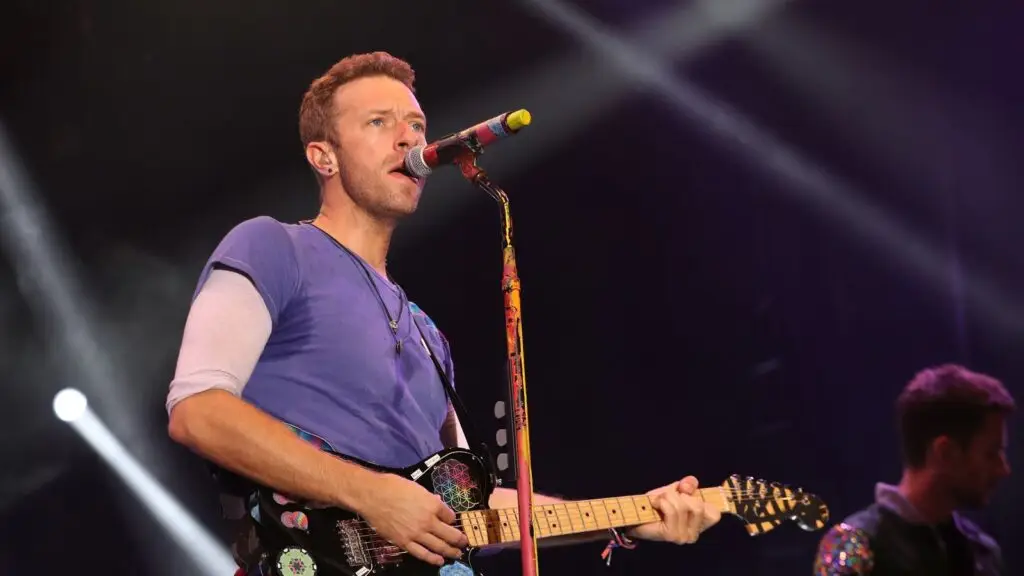
“They’re either very shy, or having an affair.”
– Chris Martin
Chris Martin, the public and the entire stadium didn’t need the full backstory to know what they were seeing. We’ve all seen and lived versions of it before.
That’s why it resonated.
That’s why it travelled- it echoed something everyone already understood.
And the memes? They weren’t spite. They were signal.
The Hera Perspective
At Hera, we don’t flinch at memes- we read them.
We don’t shame culture. We study it. We ask what made them matter.
Because when a clip explodes across timelines, it’s not just virality. It’s emotional velocity, and it’s saying something deeper than most posts will acknowledge.
We believe memes are more than punchlines. They’re cultural pulse checks. They translate tension. They expose power. They reveal pattern. And when they catch fire, we pay attention- not to exploit, but to understand.
That’s what cultural fluency demands.
That’s what brand leadership requires.
Because when a meme becomes a mirror, the job isn’t to panic or posture.
It’s to reflect — and respond with insight, not noise.
Written by

Rebecca Herbert-Thorp
Head of Operations Training Director