
Dutch Barn Vodka and Ricky Gervais
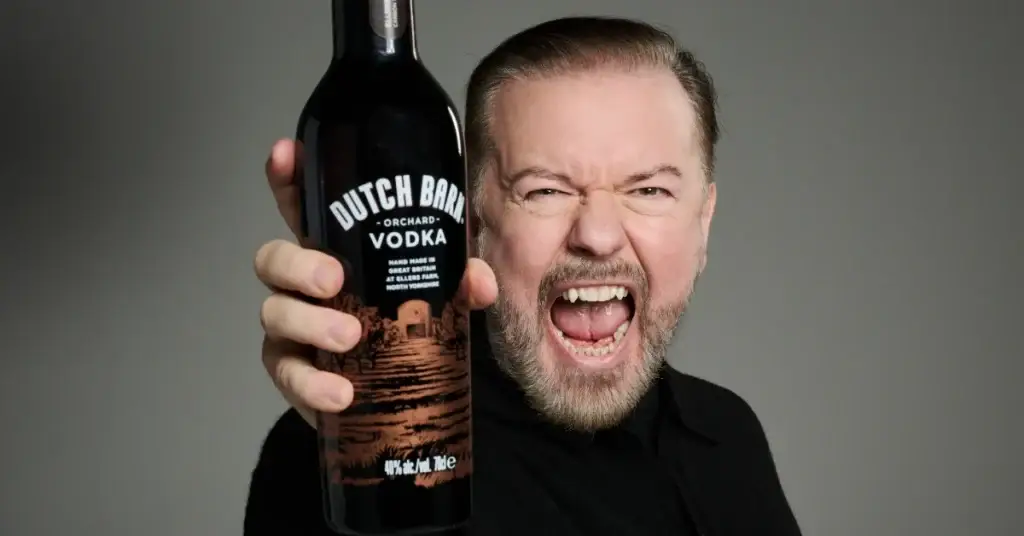
Move Over, James Bond. The Only One Shaking AND Stirring the Spirits Industry Right Now Is Gervais.
Ricky Gervais.
Every industry built on ballet-level poise, the tidy steps, the predictable choreography, eventually gets its Flashdance (1983) moment: someone arrives with the raw pulse of an industrial dance floor, hair tousled like they’ve run through a wind machine, a flicker of legwarmer-energy in their stride, and knocks the podium just off its perfect mark, startling the stuffy panel and coaxing even the stiffest traditionalist into tapping a foot to a beat they pretend they can’t hear.
Dutch Barn Vodka is that moment.
No, Gervais isn’t channelling Jennifer Beals’ iconic welding-by-day, dancing-by-night routine; let’s be honest, his knees would file a formal complaint before he even attempted the first eight-count, but he is injecting that same grit-meets-glamour jolt into the spirits world.
It’s not just the vodka doing the heavy lifting. It’s the marketing itself: raw, irreverent, human, and finally giving the category some pulse in a world that usually prefers its back straight, its toes pointed, and its risks politely contained.
Celebrity alcohol launches are usually predictable. The formula is so familiar it might as well have a laminated recipe card: take one beautiful globally recognisable face, add golden-hour lighting, stir in a reference to “craftsmanship,” and garnish with a price tag that makes you consider selling a major organ.
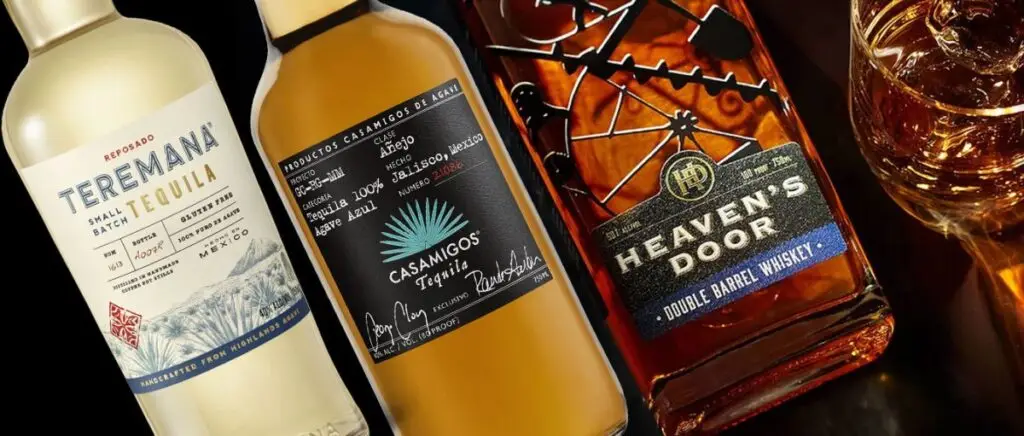
That’s the world of…
Casamigos (George Clooney & Rande Gerber), Aviation Gin (Ryan Reynolds), Teremana (Dwayne “The Rock” Johnson), Proper No. Twelve (Conor McGregor), Crystal Head (Dan Aykroyd), Haig Club (David Beckham), Heaven’s Door (Bob Dylan), Longbranch (Matthew McConaughey), and the rest of the celebrity spirits hall of fame.
In the meantime, on the opposite aisle- positioned on a lower shelf, illuminated by fluorescent lighting- you’ll find the more questionable attempts: Qream (Pharrell Williams), the name alone deserves a forensic investigation; Avaline (Cameron Diaz & Katherine Power) with its “clean wine” claims that made sommeliers wince; Kylie Minogue Wines and Graham Norton Wines, which critics politely describe as “fine… if you don’t think too hard”; and the eternally baffling AC/DC wines, because nothing says rock ’n’ roll like a mega-pint of “Thunderstruck” Chardonnay?
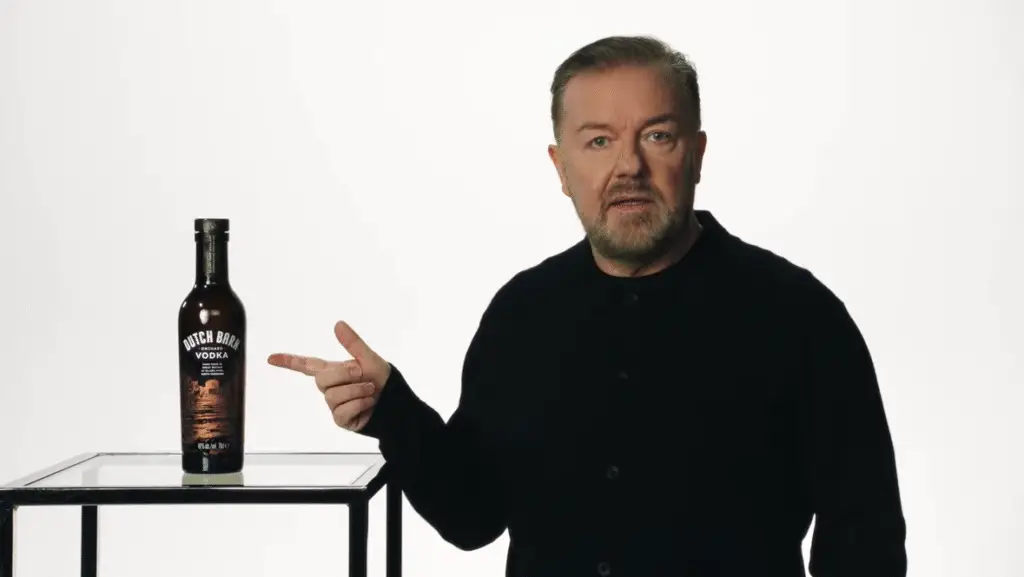
So when Ricky Gervais became co-owner of a vodka brand in Yorkshire, UK, in 2023, the expectation from consumers in 2025 wasn’t exactly:
“Here comes the most interesting marketing campaign of the year”
But yet, somehow, that’s exactly what happened, because Dutch Barn Vodka doesn’t conform or behave like a celebrity brand.
Instead, it behaves like a cultural moment.
A Serious Contender Disguised as a Comedy Bit
This partnership isn’t a celebrity cash-grab either. Dutch Barn Vodka sits in the mid-premium bracket at £25–£30 (around $30 in the US), yet it’s already performing like a heavyweight contender. It has secured nationwide listings in Tesco and Costco, expanded into travel retail through FreeWorld Brands, and launched in the U.S. with Opici Wines & Spirits, a move reserved only for brands with real market momentum.
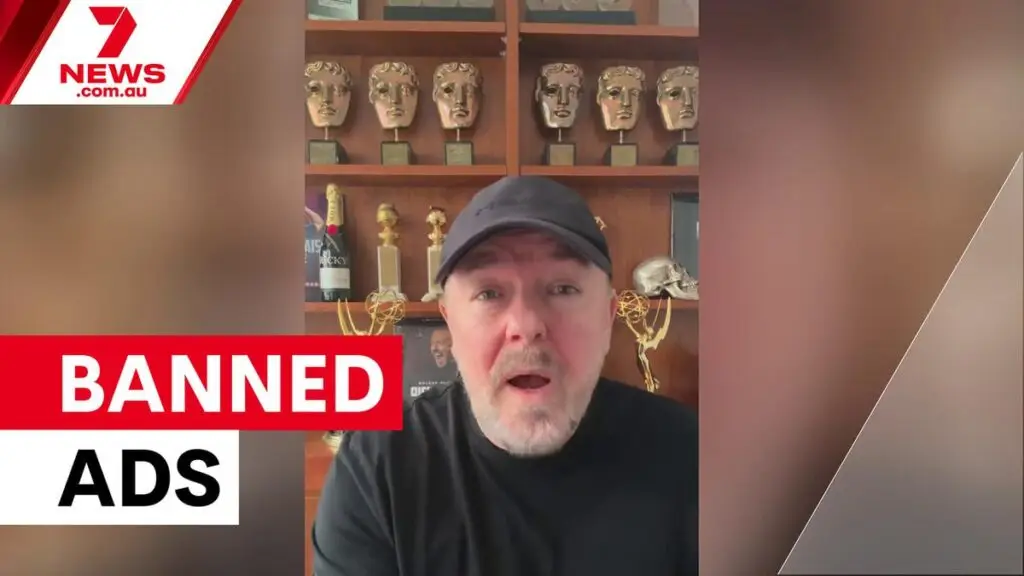
Then there’s the jaw dropping social media campaign: a deliciously chaotic carousel of “rejected” and “banned” ads Gervais posts on socials with the enthusiasm of a man who knows controversy IS a media plan. These scruffy, deadpan, deliberately low-budget videos travel further than most meticulously polished spirits campaigns because they feel like content, not commercials.
That blend of strategic distribution and creator-led virality has pushed Dutch Barn beyond novelty status into genuine challenger-brand territory.
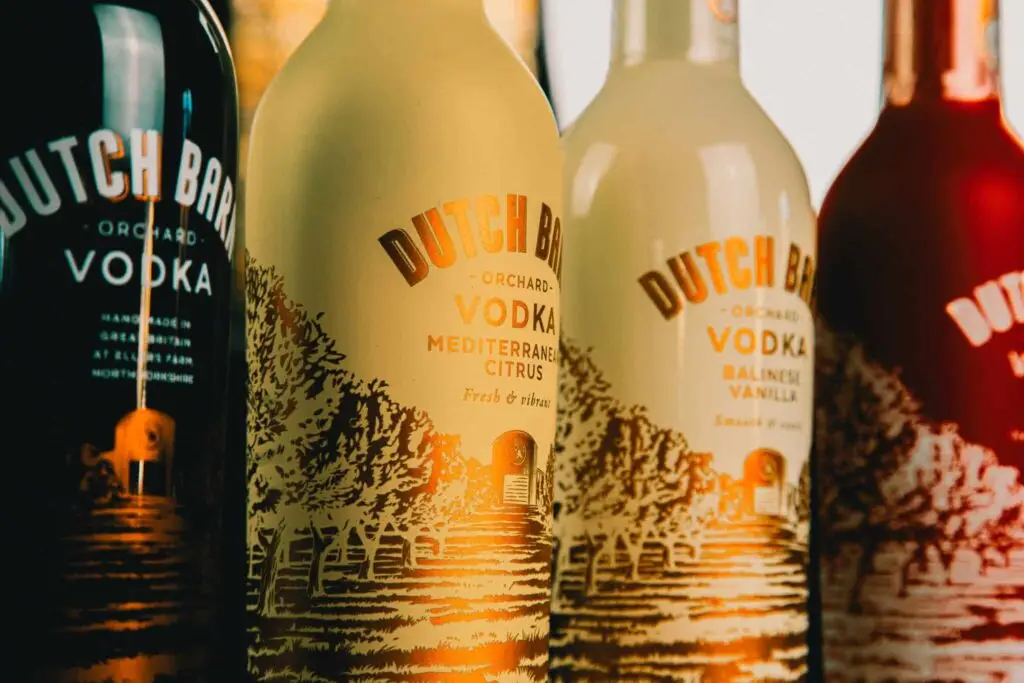
The Unexpected Power of a Product That’s Actually Good
Before we dive into humour, strategy and cultural commentary, here’s the unavoidable truth:
Dutch Barn Vodka is genuinely good.
And yes, in the name of scientific accuracy, we at Hera took this responsibility seriously. We tasted it thoroughly. Repeatedly. Enthusiastically. The bottle we opened for “analysis” is now mysteriously empty. Research morale was so high, tail feathers were shaken long past office hours.
Here’s my humble opinion: this isn’t “good for a celebrity brand.”
It’s good.
This matters, because the vodka category is not gentle. Vodka commands 32.5% of the global premium spirits market. Premium spirits overall are worth $233.9 billion, projected to surpass $546 billion by 2033. In the UK alone, vodka pulled in $1.39 billion in 2024, with expected annual growth of 7.8%.
Vodka is the Formula 1 track of liquor, and Dutch Barn is overtaking by being structurally different.
Most vodkas begin life as grains or potatoes. Dutch Barn begins with British apples, giving it a smoother, brighter, naturally cleaner profile. And, unlike the slapped-on celebrity labels clogging supermarket shelves, Dutch Barn was built by a North Yorkshire distillery with genuine sustainability principles long before Gervais came aboard.
Ricky isn’t sticking his face on a bottle; Snoop Dogg’s wine in Asda already has that corner of the market covered, complete with a label that makes you do a double-take at 10 a.m. on the weekly shop.
Gervais instead threw himself into something real.
That’s why the jokes don’t cheapen it.
They give it an impactful flavour with a twist.
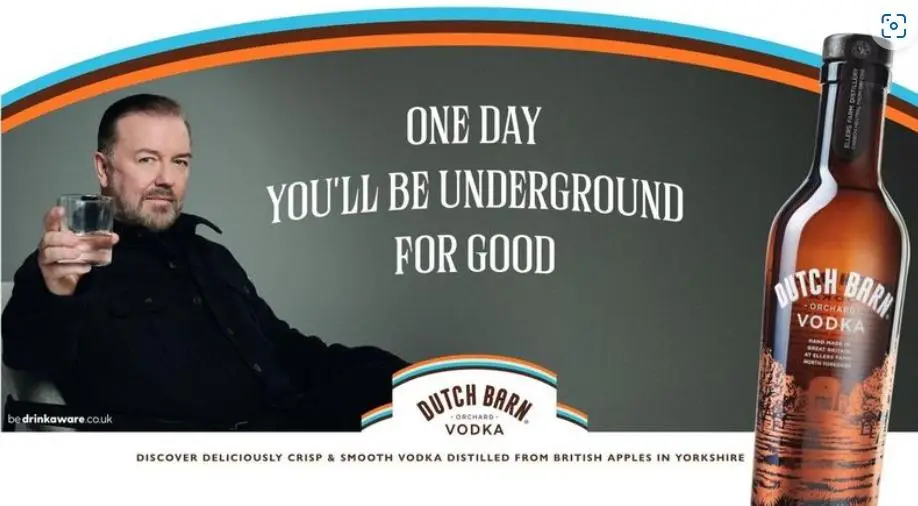
Advertising That Refuses to Pretend It Isn’t Advertising
While traditional vodka ads give you:
- Slow-motion pours
- Sensual light stroking the bottle
- A beautiful person holding a drink they didn’t pay for
Dutch Barn gives you:
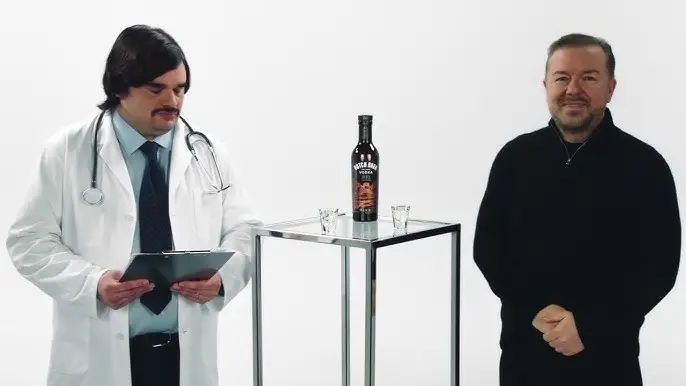
- A doctor explaining the dangers of alcohol
- Gervais hovering behind him like a man who shouldn’t be left unsupervised
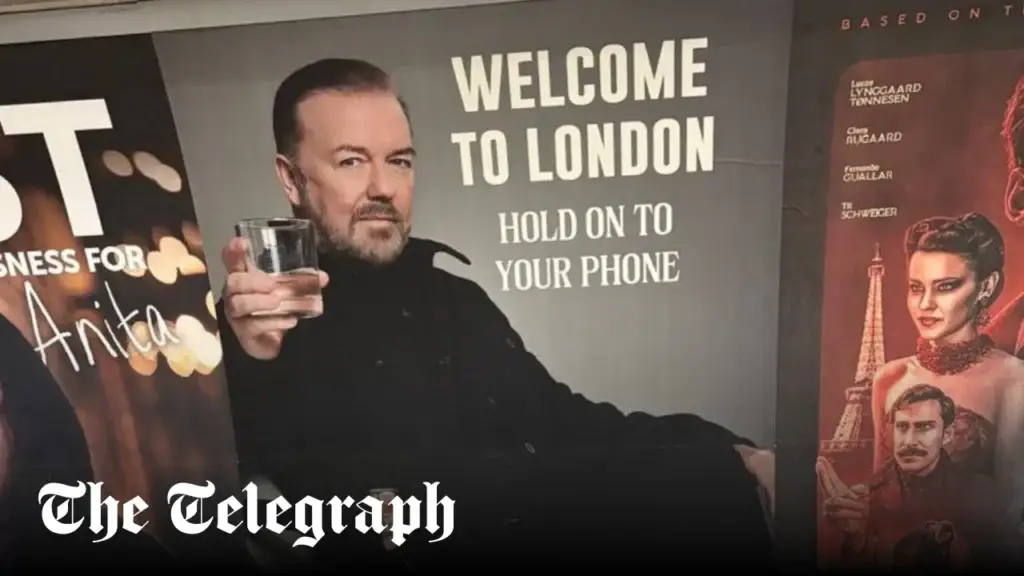
- Tube posters that admit your commute is where optimism goes to die
- Taglines that look like they were written on the back of a napkin at 1 a.m.
Unlike vodka brands fronted by people whose fame revolves around Olympic-level torso maintenance (Born and Bred- Channing Tatum:patron saint of the cinematic six-pack), Dutch Barn Vodka is fronted by someone whose persona is built on puncturing the absurdity of trying to be perfect. Throughout Gervais’ comedic and acting/writing career, he’s successfully sold the feelings people actually live with. The human condition.
Dutch Barn dares to say the quiet part out loud:
Life isn’t a self-improvement arc, and no bottle is going to grant transcendence, abs or awakening, so you may as well choose something genuinely good, without the lifestyle performance we’ve all been conditioned to expect.
- It doesn’t sell fantasy.
- It doesn’t moralise.
- It doesn’t posture.
It just tells the uncomfortable truth and offers something genuinely good that’s worth pouring. Because, let’s be honest: most of us are doing well if we hit 10k steps a day without wondering whether any of this is even worth the admin.
A Culture Tired of Performance
People aren’t fooled by gloss anymore.
We’ve watched influencers shill “clean wine.”
We have watched A list celebrities endorse Weight Watchers while quietly relying on the skinny jab.
We’ve seen Eva Longoria swear by an £8 L’Oréal box dye, while just out of frame, she’s sitting in a world-class colourist’s chair.
We’ve watched Jane Fonda promote budget Olay anti-wrinkle cream between two facelifts she openly acknowledges (she looks spectacular by the way!).
We lived through Kylie Jenner claiming her over-lined lips- using her own Lip Kit- conveniently- were responsible for the sudden volume, while the world quietly nodded and said, “Sure… filler.”
And who could forget Beckham’s 2012 H&M underwear campaign, a global rollout across 1,800 stores in more than 40 countries, promoting £9.99 pants with a man who has essentially perfected the male physique?
He wasn’t selling underwear; he was selling the distilled fantasy of transformation.
Everyone knew a multi-millionaire with a tailored wardrobe wasn’t slipping into high-street three-packs, but that was never its function.
The campaign successfully sold the idea that buying those briefs brought you, or your partner, fractionally closer to the body, the confidence, the myth of Beckham himself.
Subtle it wasn’t, but as an exercise in aspiration, it was flawless.
With that said, 2025 consumers haven’t entirely rejected aspiration, but they have rejected delusion.
They want honesty, scaffolding, and the strings left visible. Consumer appetites have changed; people aren’t just looking for flawless illusions anymore. They want to see how something is made, what it stands for, and why it exists, not be sold a fantasy polished within an inch of its life.
We’re living through a cultural shift on social media where mystique has all but evaporated. Celebrities are celebrated when they name their surgeons, detail their procedures, and even disclose implant volumes as part of a new aesthetic transparency. Chrissy Teigen credited her surgeon openly for her buccal fat removal; Blac Chyna documented her implant reductions down to the precise CCs; and others have followed, turning what was once hidden into a form of modern social currency and personal brand “truth telling”.
Dutch Barn Vodka offers that same level of clarity at a time when honesty is finally eclipsing illusion, and yes, occasionally creating its own spectacle. But it’s a spectacle rooted in truth rather than theatre. The brand rejects the usual moralising, optimisation rhetoric and lifestyle mythology, grounding itself instead in quality, precision and cultural literacy.
This is transparency that knows exactly what it’s doing. Furthermore, as an audience, we know Gervais’ comedic register well: sharp, unfiltered and anchored in uncomfortable truths. It’s the very tone and marketing approach that feels inevitable and familiar, not engineered- the natural extension of a voice we already recognise.
Dutch Barn’s Taglines Aren’t Jokes. They’re Strategy
“This is an advert. Sorry.”
“All vodka ads say the same thing.”
“We tried to make this look expensive.”
“This won’t change your life.”
“Drink responsibly- emotionally and otherwise.”
These lines:
- Pre-empt scepticism (behavioural psychology calls this “stealing thunder”)
- Build trust through radical transparency
- Break pretty much every visual and verbal rule in the spirits category
- Turn tone of voice into a Distinctive Brand Asset
- Invite the audience into the joke
- Align perfectly with Gervais’ persona and worldview
This is not borrowed authenticity.
It’s congruence.
The rarest commodity in celebrity branding.
Dutch Barn as a Cultural Event
A lot of brands try to be funny, but they rarely succeed.
Exhibit A: Burger King’s 2021 International Women’s Day disaster, when their official account tweeted:
“Women belong in the kitchen.”
They intended it as a setup for a follow-up tweet about culinary scholarships for women, but the internet saw the first tweet, and Burger King accidentally delivered one of the most spectacular ad face-plants of the decade.
Dutch Barn however, is funny and emotionally fluent to the majority and their target consumers.
It taps into a cultural moment shaped by:
- Irony
- Meme literacy
- Post-pandemic existential humour
- Rising cynicism
- The desire for brands that don’t pretend
- Algorithmic overwhelm (everyone is overstimulated and exhausted)
Dutch Barn doesn’t chase thirsty brand attention with a side of fries. It carries itself with the assured certainty of a brand that knows the table will come to it.
Gervais has always looked at the world without the soft focus: the stab culture, the phone theft, the everyday jeopardy of London life. Plus, he’s never hesitated to call out hypocrisy on a bigger stage either- from Hollywood’s performative morality to the open secrets of Weinstein and beyond. His jokes and commentary land because they’re grounded in truth, not theatre.
That clear-eyed realism aligns effortlessly with Dutch Barn’s instinct to cut through illusion and say things as they are.
- “Enjoy life. You’ll be dead soon.”
- “Buying Dutch Barn will make a person rich & happy. And that person is Ricky Gervais.”
- “Drugs this good are usually illegal.”
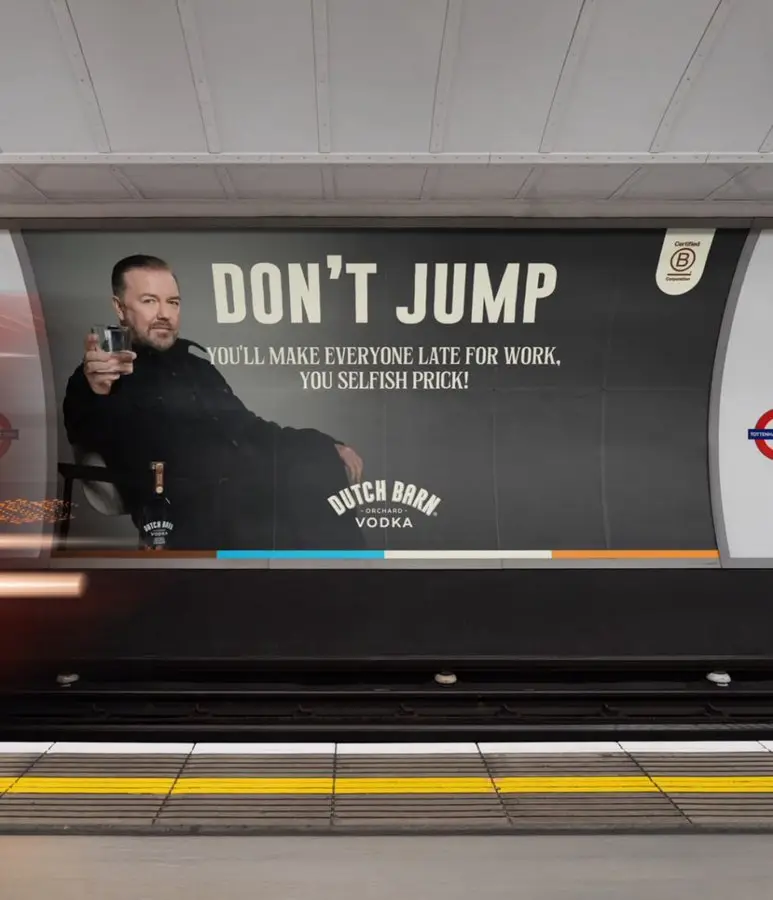
The Marketing Behind the Madness
Beneath the apparent chaos lies discipline. Dutch Barn builds Distinctive Brand Assets through:
- Bleak humour
- Tube ads
- Deadpan tone
- Apple-distilled story
- Honest-advertising structure
- Creative unpredictability
This isn’t a celebrity stuck on the label for sparkle. It’s a celebrity driving the creative from the inside. The tone doesn’t feel borrowed, it feels born there.
Why Dutch Barn Works Now (And Wouldn’t Have 10 Years Ago)
In 2025, we are living through a time when:
- Aspiration feels outdated
- Irony feels safer
- Honesty feels premium
- Humour is a coping mechanism
- Attention spans require jolts, not jingles
- Gloss feels suspicious
- Relatability feels valuable
- Everyone is tired
In a climate saturated with performative authenticity and out-of-touch celebrity sermons, Dutch Barn’s approach and positioning are exactly right for this social temperature. It’s a brand genuinely walking the talk and embodying what it means to be “Positively Different.”
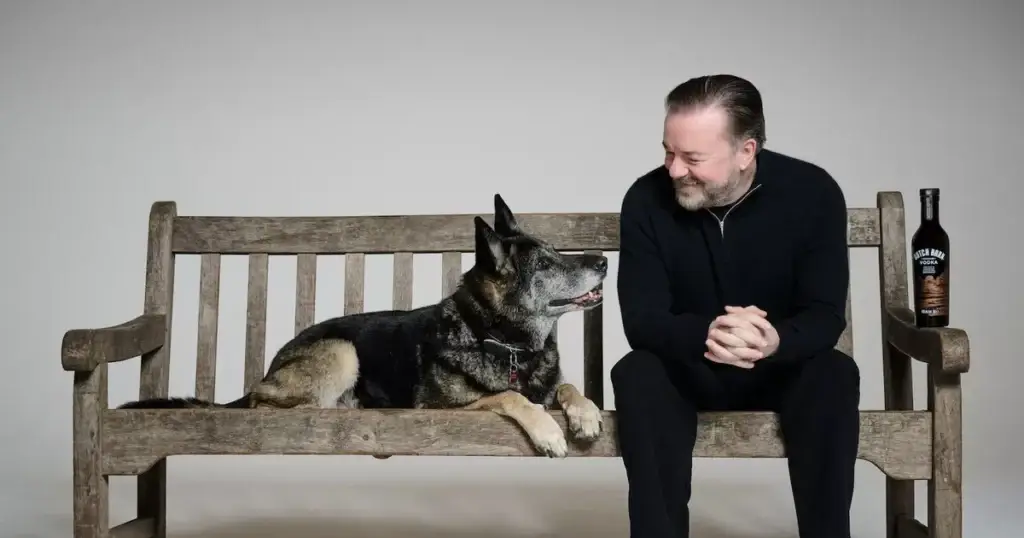
The Power of Stacked Strategy
From a commercial perspective, Dutch Barn’s December 2024 launch of its flavoured vodkas wasn’t random, it was category-savvy orchestration. Q4 is the spirits industry’s strongest quarter, typically generating 20–30% of annual revenue as consumers gift more, celebrate more, and experiment more. Retailers loosen facings. Novelty gets disproportionate pull. It’s the most elastic moment of the year.
By launching flavoured variants during this window, Dutch Barn engineered early velocity, closing 2024 with higher awareness and stronger trial than most emerging spirits could ever wish to achieve.
But the real momentum had already been set in motion months earlier.
In August 2024, Dutch Barn unveiled a bold rebrand; a striking new visual identity, a refreshed colour system, a new brand world, and the “Positively Different” platform. This wasn’t cosmetic tinkering. It was strategic repositioning designed to sharpen distinction before the flavoured launch and before Gervais’s full amplification.
Ricky Gervais became co-owner and spokesperson in November 2023, giving Dutch Barn an instantly recognisable cultural voice. But in early 2025, his involvement moved from endorsement to full creative horsepower. The brand rolled out its new identity across OOH, digital and social channels with Gervais front-and-centre. It positioned as unapologetically bold, sometimes approved, sometimes rejected, but always talked about.
And then came the phase that cemented the brand’s cultural footprint.
Across October and November 2025, Gervais intensified his push dramatically.
He shared provocative Dutch Barn posters like:
- “One day you’ll be underground for good.”
- “Welcome to London. Don’t forget your stab vest.”
- “You won’t live forever.”
Some were approved. Many weren’t.
He publicly claimed several ads were “banned” or “rejected” by Transport for London, prompting engagement, headlines, rebuttals, and a wave of media coverage. He even posted rejected concepts himself, turning the approval process into part of the campaign:
“Apparently this one’s not allowed either.”
“Banned. Again.”
Every rejection became reach.
Every controversy became cultural conversation.
And every conversation lifted the brand.
Most brands try to go big at launch.
Dutch Barn did something far more confident and sophisticated: it stacked its moves across two years: rebrand, launch, celebrity creative, and intentional controversy- each fuelling the next.
This wasn’t momentum by chance.
It was momentum by design.
A cross-year stacked strategy turning attention into traction and traction into advantage.
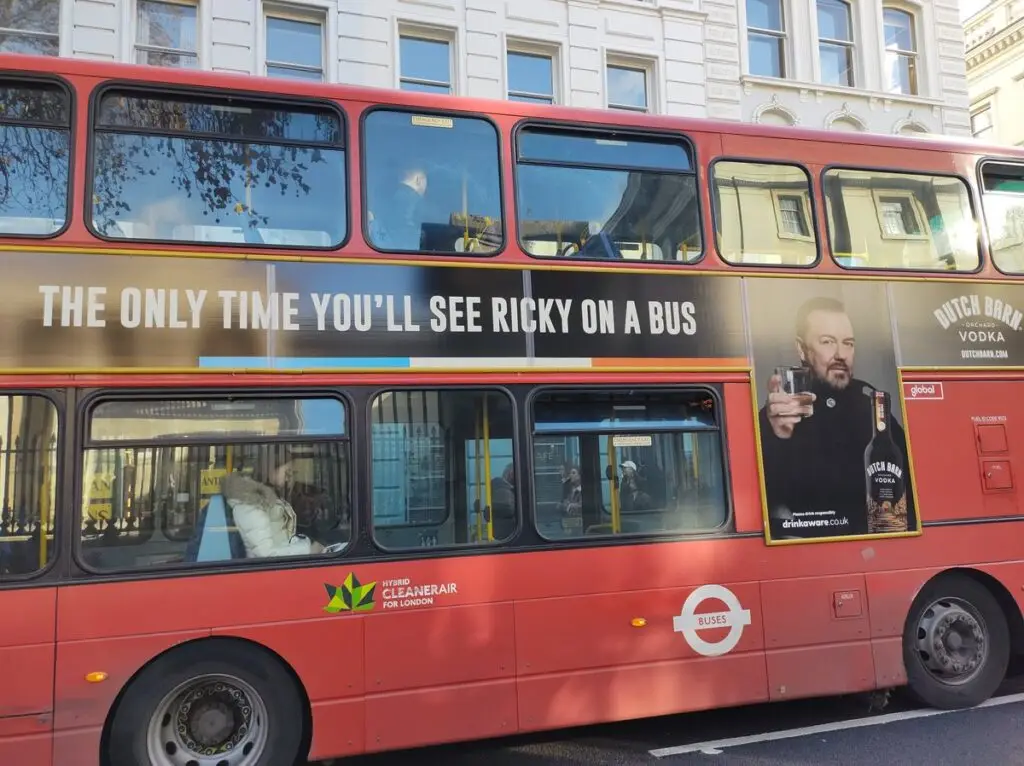
The Long Game
To endure, Dutch Barn must:
- Deepen its provenance story
- Build meaning beyond Gervais
- Own a consumption occasion- like “The Grown Up Friday Night/ The Conversation Starter/ The Honest Celebration”
- Protect the humour with emotional truth
- Maintain surprise without becoming schtick
Humour opens the door.
Humanity keeps people inside.
The Hera Conclusion: The Future Belongs to Brands That Feel Alive
Dutch Barn works because it’s secure and unapologetic in its own identity. It refuses to follow the worn-out script of the spirits world.
- No gloss.
- No fantasy.
- No pretending.
Just Gervais’ honesty wrapped in humour, backed by a quality product with ethics that can defend itself.
Most celebrity spirits feel like tired branding exercises. Many fail because they lean on borrowed credibility.
Dutch Barn feels like a brand with a pulse.
But here’s the deeper cultural truth:
People are exhausted; from illusion, from performance, from the constant algorithmic demand to aspire. We’ve all been force-fed those mythical 4 a.m. routines: ice baths, meditation, journaling, two chapters of a self-help book, a 10-mile sunrise run, washed hair, full makeup, inbox at zero and daily protein goals achieved- all before 7 a.m. The kind of schedule that only works if you have no school run, no commute, and no actual human responsibilities.
Dutch Barn acknowledges that fatigue instead of exploiting it. It breaks the fourth wall of advertising and speaks to people in the language culture actually uses now: ironic, self-aware, slightly bleak, and most importantly, truthful. The product and Gervais’ persona align.
This is where branding is heading.
- To products that can stand on their own.
- To voices that treat consumers as participants, not targets.
- To brands that understand culture instead of imitating it.
- Dutch Barn hasn’t simply shaken AND stirred the industry, it has redefined where credibility lives.
It has served the spirits category a delectable wake-up call, stripped the fantasy from the bottle, and won through uncensored candour, the one strategy no one else can fake. But most crucially, Dutch Barn backs its tone with substance. It’s a genuinely high-quality vodka built on ethical foundations: sustainable processes, closed-loop recycling, and an environmental conscience that isn’t performative. It does the work behind the scenes so the honesty isn’t just in the marketing, it’s in the product itself.
If you want your brand to land with this level of clarity, confidence and cultural relevance, talk to us at Hera. We build brands that people don’t just notice, they believe in. We move past the buzzwords and theatrics and get to the truth of what makes a brand resonate. And like Dutch Barn, we can say that with confidence because the work speaks for itself.

Rebecca Herbert-Thorp
Head of Operations | Training Manager